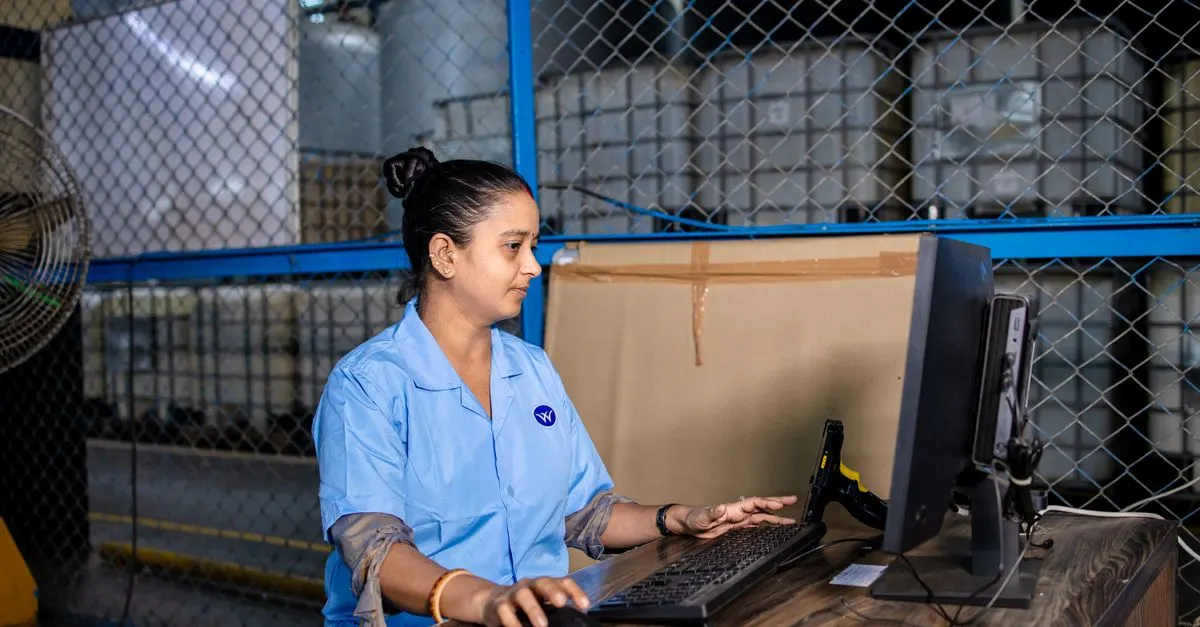
Amazon is winding down its Mechanical Turk platform, halting enrollment of fresh participants in what may represent a decisive pivot away from crowdsourced labor at scale. According to TechCrunch AI, the e-commerce giant has stopped accepting new customers for the two-decade-old service that has long served as a primary recruiting ground for training data collection and human annotation work across the AI industry.
The shutdown marks a notable inflection point for a marketplace that became synonymous with distributed data labeling. Since its 2005 launch, Mechanical Turk evolved from a curiosity into a critical infrastructure layer supporting machine learning development. Thousands of AI researchers, startups, and major technology companies relied on the platform to rapidly assemble workforces for labeling images, transcribing audio, classifying content, and performing the granular annotation tasks that remain essential to supervised learning.
Why This Matters for AI Development
The decision reflects broader industry reconsolidation around human-in-the-loop AI systems. As language models and vision systems have grown increasingly sophisticated, demand for training data has exploded simultaneously. Mechanical Turk's open marketplace model, while economical, became increasingly difficult to manage at the scale required by frontier AI labs.
Several factors likely influenced Amazon's move:
- Pressure to develop proprietary, vetted labor networks rather than rely on anonymous crowdsourcing
- Heightened scrutiny over working conditions and wage standards in gig economy platforms
- Competition from specialized annotation vendors offering quality guarantees and compliance certifications
- Integration challenges as Amazon deepens its own AI research operations
The timing is particularly significant given intensifying regulatory attention on AI training practices. Policymakers worldwide have begun questioning the labor conditions surrounding data annotation and the transparency of datasets used in model development. Amazon's retreat from accepting new Mechanical Turk participants may preempt regulatory intervention while positioning the company to redirect annotation work through controlled channels.
Industry Ripple Effects
Existing Mechanical Turk workers and the researchers who depend on the platform face immediate uncertainty. The marketplace has historically enabled academics with limited budgets to conduct experiments that would otherwise require substantial funding. Shutdown of new enrollment could fragment the annotation ecosystem, forcing smaller research groups and startups to either pay premium rates to specialized vendors or develop in-house labeling infrastructure.
This consolidation trend extends beyond Amazon. Leading AI developers increasingly maintain exclusive relationships with annotation service providers, reducing reliance on public marketplaces. OpenAI, Google, Meta, and others have similarly built captive labeling operations or cultivated partnerships with specialized contractors.
The closure also underscores how the AI industry's data requirements have fundamentally shifted. Early machine learning relied on crowdsourced datasets and distributed annotation. Today's frontier models demand more rigorous quality control, specialized expertise, and compliance frameworks that open platforms struggle to provide.
Amazon has not publicly disclosed a specific end date for new enrollments, leaving questions about existing worker accounts and planned transitions. The company has remained silent on whether shutdown of new customer acquisition precedes broader platform discontinuation or represents a restructuring intended to preserve the service for existing participants.