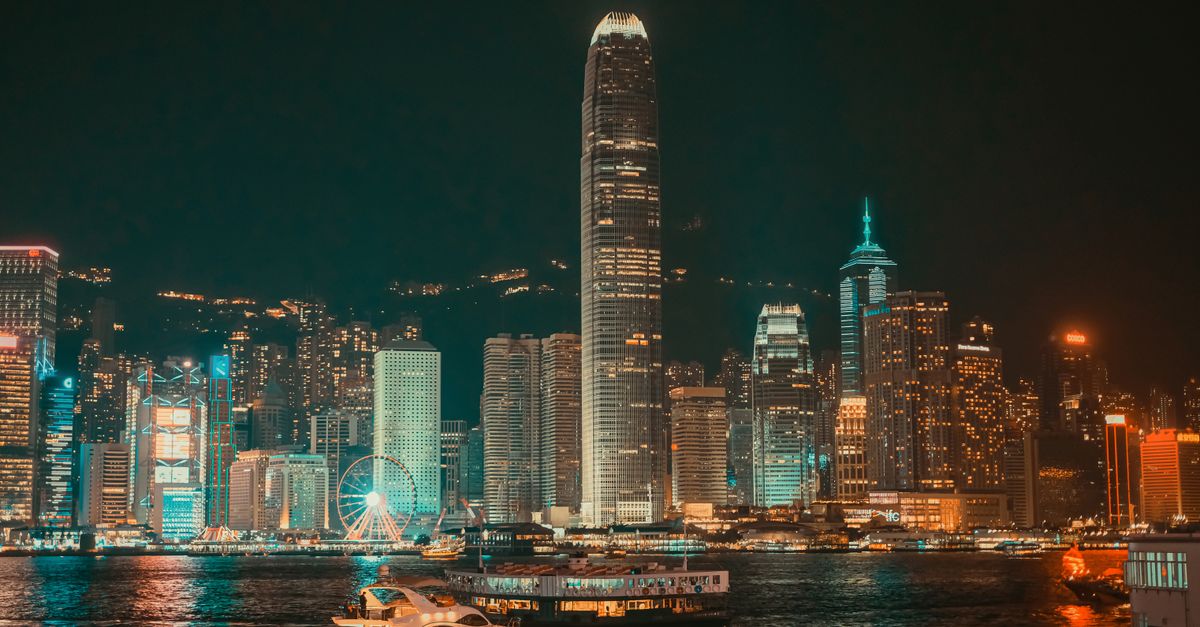
Hong Kong's equities market has emerged as the primary listing destination for Chinese artificial intelligence companies shut out of US exchanges, driving capital-raising volumes to their highest levels in five years. The shift reflects both the accelerating commercialization of AI technology in China and geopolitical constraints that limit where these firms can pursue public funding.
According to AI Weekly, the concentration of Chinese AI IPOs in Hong Kong represents a critical juncture for the sector's maturity. While the surge in listings demonstrates investor appetite for AI exposure, the real test lies ahead: whether these newly public companies can deliver sustainable growth and profitability.
The Capital Flow Question
The trajectory of recently listed AI firms matters enormously. A cohort of underperforming debuts could rapidly evaporate investor confidence and slam shut the current fundraising window. Market observers are particularly focused on several upcoming catalysts that will reveal whether the enthusiasm surrounding Chinese AI stocks rests on genuine business fundamentals or speculative fervor.
- Lock-up expirations scheduled for the second half of the year, when early investors can finally sell their holdings
- First quarterly earnings reports from companies that went public during the first half of 2026
- Competitive positioning data showing which AI firms are gaining market share
What's at Stake
Hong Kong's role as a substitute listing venue for Chinese AI companies facing US regulatory barriers has solidified considerably. The financial hub offers deep capital pools, established governance frameworks, and proximity to China's regulatory environment. For Chinese founders and venture backers, it represents the most viable alternative to New York.
However, the market's capacity to absorb new AI listings depends critically on post-IPO performance. If companies that raised capital at elevated valuations fail to meet growth projections, subsequent waves of Chinese AI companies seeking to go public will encounter much more hostile reception. Stock prices could collapse, underwriting fees would compress, and founders would lose access to public capital markets precisely when they need it most to fund research and development.
The Critical Window
The next six months will be pivotal. Investors are watching whether these AI companies can convert early momentum into durable competitive advantages. Questions about customer acquisition costs, product differentiation, and path to profitability will become impossible to avoid once earnings season arrives.
For Hong Kong's financial regulators and exchange operators, this represents an opportunity to solidify the city's position as Asia's premier tech listing venue. But the stakes for Chinese AI entrepreneurs are even higher: demonstrable execution is now the only thing that will keep the funding spigot open.