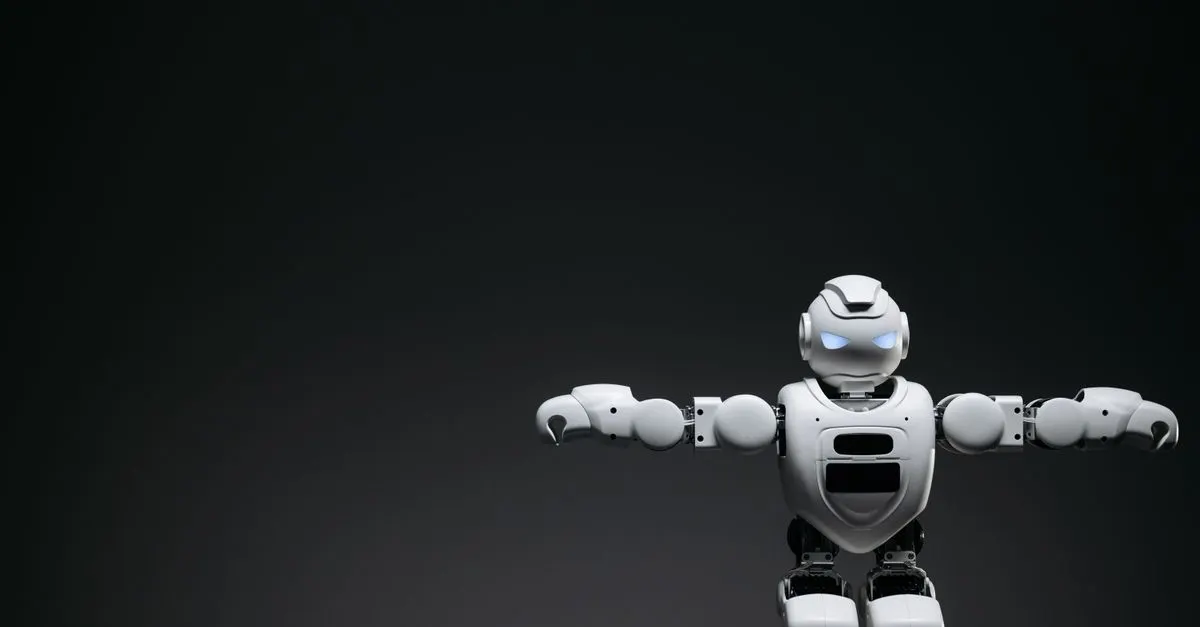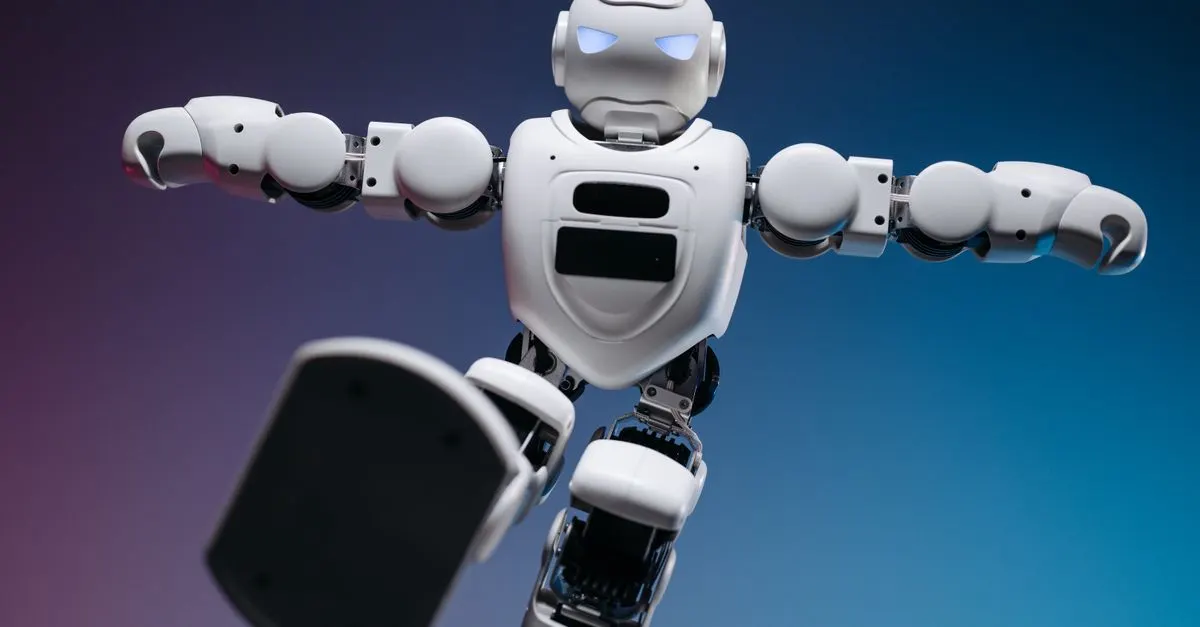
The robotics industry is experiencing a significant inflection point as physical artificial intelligence systems transition from theoretical exercises to functional platforms capable of real-world deployment. According to IEEE Spectrum Robotics, recent advances demonstrate that the convergence of hardware innovation and machine learning is enabling machines to perform complex tasks alongside human workers.
Humanoid Platform Advances Multimodal Sensing
One notable development involves a fully operational humanoid robot completed in just six months of development. The platform integrates comprehensive sensory capabilities throughout its body, including touch perception, proximity detection, force measurement, and thermal sensitivity. This distributed sensing architecture enables safer and more intuitive collaboration between robots and people by allowing the machine to understand its physical environment with greater nuance than previous generations.
The system represents a shift away from purely visual-based robotics toward what researchers call "physical AI," which emphasizes embodied learning and direct environmental interaction. Rather than relying solely on cameras and external sensors, this approach embeds intelligence throughout the robot's physical structure.
Foundation Models Learn Universal Physical Principles
Complementing these hardware advances, researchers have developed foundation models that learn from diverse robotic hands and end effectors. By training across thousands of different sensorimotor interfaces, these models develop generalizable understanding of how to manipulate objects in various ways. The approach allows policies trained on one robotic hand to transfer effectively to completely different grippers and specialized tools, suggesting that machines can develop something akin to universal physical intuition.
This transfer learning capability has significant implications for deployment timelines and costs, as robots may require less task-specific training before deployment in new environments.
Specialized Applications Show Practical Impact
Beyond humanoid systems, specialized robotics are finding immediate utility in critical sectors. Medical sample delivery via autonomous aircraft has achieved operational status in urban healthcare settings, demonstrating 85 percent faster transport compared to ground-based logistics. Autonomous freight systems are being redesigned for extended operational lifespans and reduced hardware expenses, suggesting the economics of robotic deployment are becoming increasingly favorable.
Machine Learning Accelerates Training Cycles
Training methodologies are also evolving. Rather than requiring extensive manual annotation or detailed language descriptions, new approaches use brief human demonstrations to generate automated training datasets. This technique addresses fundamental limitations in vision-language models and enables robots to recognize novel objects without extensive pre-programming.
Simulation environments are playing an increasingly important role as well, with photorealistic reconstructions allowing machine learning policies to train in virtual environments before transferring to physical systems with minimal additional refinement. This simulation-to-reality pipeline significantly reduces development timelines and hardware costs.
The convergence of advances in sensing, foundation models, simulation, and transfer learning suggests that physical AI deployment is accelerating across multiple industries. As these systems mature, they appear poised to address labor shortages and improve efficiency in healthcare, logistics, and manufacturing sectors where real-world applications are already demonstrating measurable value.