
Wall Street's hunt for artificial intelligence winners beyond Nvidia has landed on an unexpected candidate: Micron Technology, a US-based memory semiconductor manufacturer that investors believe could replicate the graphics processor maker's explosive growth trajectory.
The reasoning behind this thesis centers on the infrastructure requirements powering today's large language models and generative AI systems. According to TechCrunch AI, equity analysts increasingly view memory chip suppliers as cornerstones of the AI buildout, positioning Micron as a primary beneficiary of the data center spending boom that has sustained Nvidia's valuations.
The Infrastructure Play
Unlike Nvidia's dominance in specialized AI processors, Micron's appeal rests on the foundational role memory components play in AI system architecture. Modern neural networks and transformer models require massive amounts of both storage and high-speed memory to function effectively. Every new generation of AI infrastructure relies on upgraded memory solutions to handle increased computational demands and training datasets.
Data center operators deploying AI workloads face a simple constraint: compute capacity means nothing without accompanying memory infrastructure. This creates a structural advantage for suppliers like Micron that control critical portions of the memory supply chain.
Why Investors See Potential
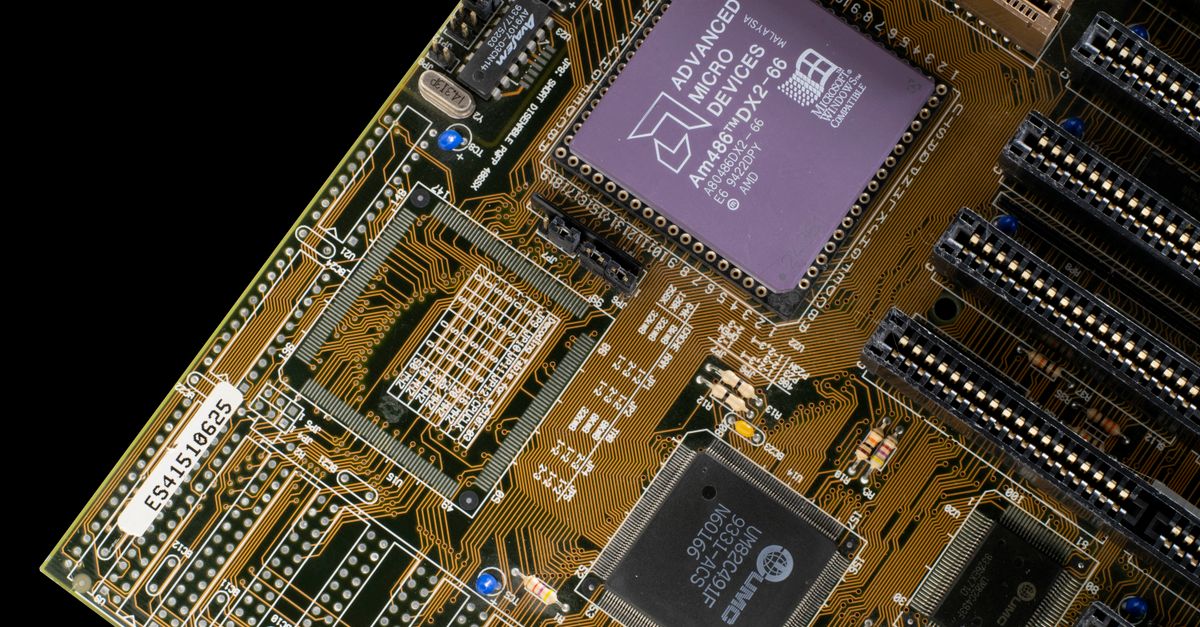
The parallel to Nvidia's trajectory matters because both companies occupy similar leverage points in the AI hardware stack. Where Nvidia proved essential for computation, Micron controls access to memory solutions that every AI implementation requires. The company manufactures DRAM and NAND flash memory products that data centers must purchase regardless of which GPU or processor they deploy.
- AI data center buildout requires complementary hardware investments beyond processors
- Memory represents a significant portion of total AI infrastructure spending
- Supply constraints in memory chips create pricing power similar to GPU markets
- Micron's position as a major US-based manufacturer aligns with semiconductor reshoring initiatives
From a geopolitical perspective, Micron's status as an American company also matters. Policy priorities around semiconductor self-sufficiency and reducing dependence on overseas manufacturing create additional tailwinds for domestic suppliers. This positioning shields the company from some trade policy risks that could affect competitors reliant on foreign manufacturing.
The Investment Thesis
Analysts argue that Micron's valuation multiples remain compressed relative to the company's exposure to AI infrastructure spending. While Nvidia has expanded dramatically on AI expectations, Micron trades closer to historical averages despite benefiting from the same secular trends. This discrepancy creates what investors characterize as an underappreciated opportunity in the memory semiconductor space.
The thesis depends on sustained capital expenditure by cloud providers building and upgrading AI infrastructure. As long as companies like OpenAI, Google, and Meta continue expanding their compute capacity for AI training and inference, memory demand should remain robust. Unlike software companies that achieved AI capabilities through algorithm improvements, hardware-focused businesses like Micron gain directly from physical infrastructure expansion.
Whether Micron can actually replicate Nvidia's financial performance remains uncertain. The memory market operates differently than the specialized processor market, with more competition and commodity pricing pressures. Still, the company's strategic position in AI's infrastructure layer has clearly captured Wall Street's attention as investors search beyond the traditional Nvidia narrative.