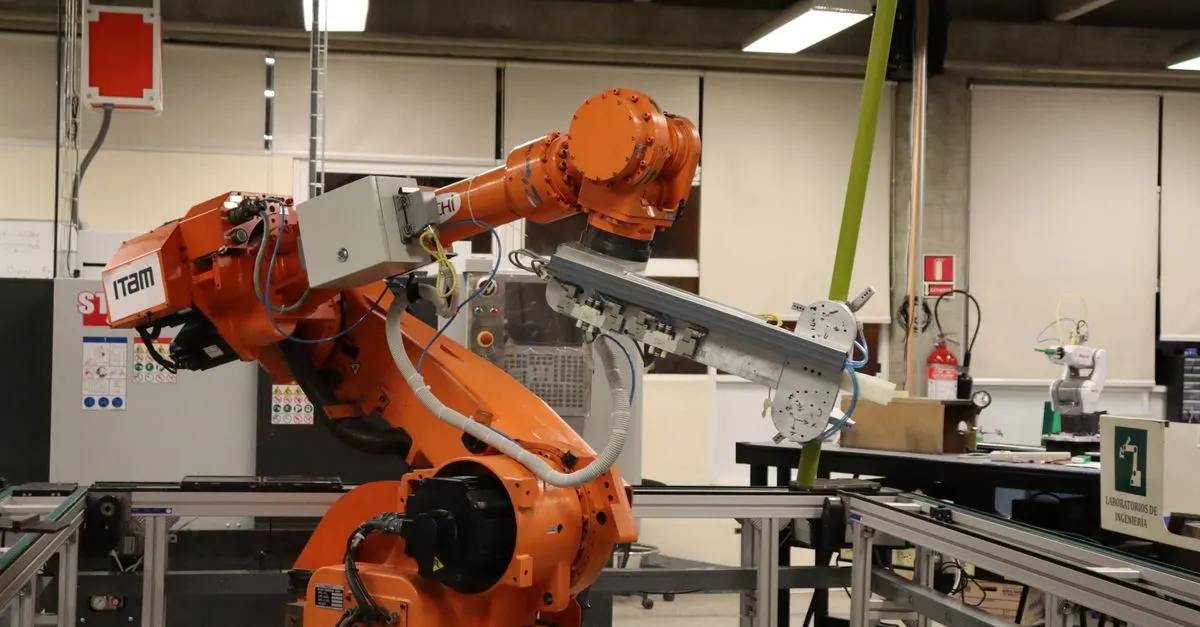
Researchers have released an open-source platform designed to standardize how robot manipulation data is collected and shared across the artificial intelligence community. According to Hugging Face, the initiative addresses a fundamental bottleneck in robotics: the lack of accessible, high-quality datasets for training manipulation models.
The system, which emphasizes interoperability and ease of use, represents an effort to democratize access to training materials that have traditionally been siloed within individual labs and companies. By establishing common data formats and recording conventions, the platform removes friction from the process of aggregating diverse robot demonstrations and task executions.
Why This Matters for AI Development
Training robots to perform complex manipulation tasks remains one of the most computationally and logistically challenging domains in AI research. Models must learn not just visual recognition but also precise motor control, force dynamics, and real-time adaptation. High-quality datasets sourced from real robot interactions provide the foundation for these systems, yet such data has been difficult to compile at scale.
The new platform tackles three core problems:
- Standardization: Establishes unified formats so datasets from different labs become interchangeable
- Accessibility: Reduces barriers to entry for researchers without proprietary robot infrastructure
- Reproducibility: Enables other teams to validate findings using identical data sources
Implications for Robotics Research
The availability of shared manipulation datasets could accelerate development cycles for dexterous robotic systems. Rather than spending months or years collecting proprietary data, teams can focus engineering resources on model architecture and training methodology. This shift mirrors earlier breakthroughs in computer vision, where public datasets like ImageNet catalyzed rapid progress in deep learning.
The platform is designed with flexibility in mind, supporting multiple recording modalities including camera feeds, sensor readings, and motion trajectories. Researchers can contribute datasets incrementally, and the system handles metadata organization automatically. This reduces the administrative overhead that often discourages data sharing.
Industry and Research Outlook
Major robotics initiatives have long recognized the data scarcity problem. Companies investing heavily in manipulation research, from manufacturing to warehouse automation, require increasingly sophisticated models. An open data commons could level the playing field between well-funded industry labs and academic groups with limited infrastructure.
The release also signals growing momentum toward collaborative AI development models. Rather than competing exclusively through proprietary technology, the field increasingly recognizes that shared infrastructure can benefit all participants by raising the baseline capability floor.
Researchers interested in contributing data or using the platform can access it through the project's online portal, which includes documentation and example workflows. Early adoption will likely determine whether this initiative becomes a standard reference point for the robotics AI community or remains a niche resource.