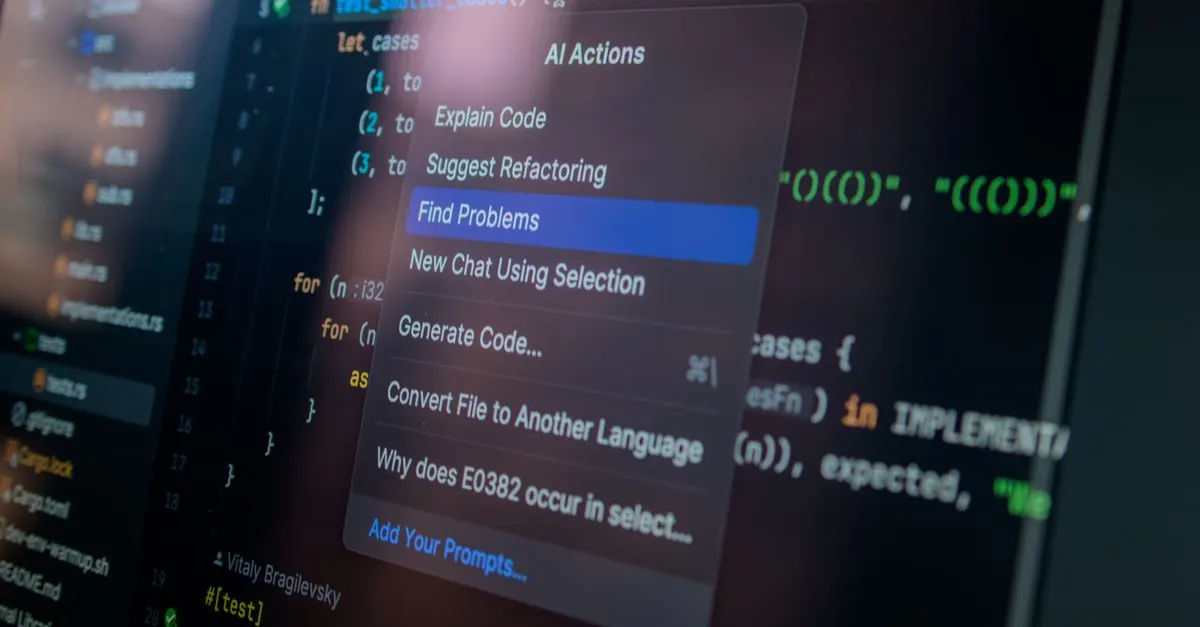
The explosive growth of artificial intelligence coding tools is creating an unexpected crisis for the open-source community. Volunteer maintainers of popular repositories find themselves overwhelmed by an influx of AI-generated pull requests, code contributions, and maintenance demands that their current funding structures cannot support.
According to AI Weekly, companies building products on top of open-source infrastructure often operate on the assumption that these projects will continue functioning at their current velocity indefinitely, powered largely by unpaid volunteer labor. That assumption is now proving dangerously fragile. As AI development accelerates and more tools automate code generation, the pressure on maintainers has intensified dramatically.
The consequences are already visible. Several high-profile open-source projects have announced closures or reduced maintenance in recent months, unable to sustain operations without adequate financial backing. The tldraw project serves as a particularly stark example of this trend, demonstrating that even moderately successful projects cannot survive the modern strain on maintainer resources.
The Root Cause: Mismatch Between Consumption and Support
Large technology companies and startups increasingly depend on open-source components as foundational layers for their AI systems. Yet many of these same organizations allocate minimal budgets toward supporting the projects they rely on. The gap between what projects need to function effectively and what they receive in sponsorship has widened considerably.
The problem compounds as AI tools become more sophisticated. Automated code generation means more contributions to review, more issues to triage, and more support requests to address, all while maintainers typically work without compensation. A single person managing a critical library may suddenly find themselves processing dozens of AI-generated pull requests daily.
Toward a Sustainable Model
Industry observers increasingly argue that organizations treating open-source as infrastructure should budget accordingly. Several recommendations have emerged:
- Direct financial sponsorship of critical projects, treated as essential infrastructure costs rather than charitable donations
- Formal maintenance contracts that guarantee resource allocation and response times
- Tiered support models where commercial users contribute proportionally to value extracted
- Community-funded development pools that distribute resources across multiple projects
Without structural change, the open-source ecosystem risks losing essential projects to burnout. Companies that have built their business models on free software may find themselves supporting a degraded infrastructure within years, unable to replace the volunteer-driven development that built the modern internet.
The challenge now facing the tech industry is straightforward: either formalize support for open-source dependencies as a legitimate business expense, or watch critical projects close their doors as their maintainers inevitably reach exhaustion. For an industry increasingly dependent on AI-driven development, that choice will significantly shape what tools and technologies remain available to build the next generation of products.