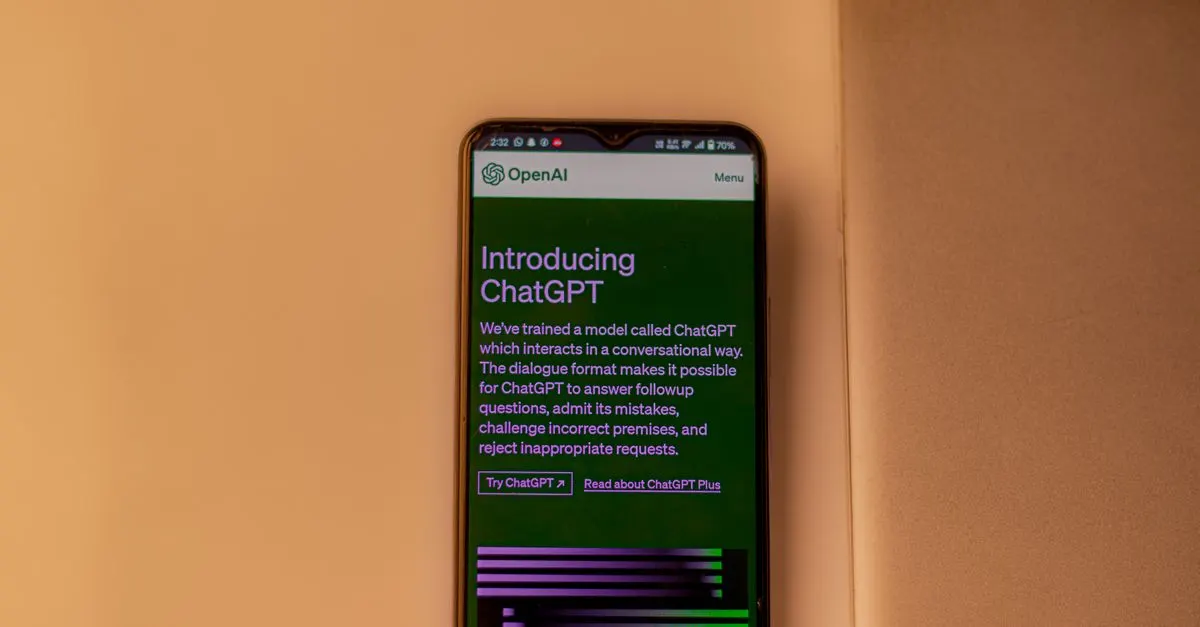
OpenAI executives have signaled that the company is moving decisively past the conversational chatbot model that defined its early success, according to TechCrunch AI. The shift reflects a broader industry recognition that standalone chat interfaces may no longer represent the company's primary growth vector.
Internal leadership has begun framing the next phase of development around what executives describe as a "super app" concept, a platform designed to consolidate multiple AI-powered functions into a single, integrated user experience. This strategic pivot represents a significant departure from the chat-first approach that established OpenAI as a market leader and consumer phenomenon.
The Case for Consolidation
The move toward a more comprehensive platform responds to several market pressures. Competitors including Anthropic, Google, and others have launched their own conversational AI products, commoditizing the chat experience. Meanwhile, users increasingly expect AI tools to handle complex, multi-step workflows rather than simple question-and-answer exchanges.
By consolidating various capabilities into a single interface, OpenAI aims to create a stickier product that handles document analysis, content creation, research assistance, coding support, and other tasks without requiring users to switch between applications. This approach mirrors successful "super apps" in other domains, most notably WeChat in China, which has become a comprehensive platform for social communication, payments, shopping, and countless other services.
Technical and Commercial Challenges
The company faces substantial engineering hurdles in building a cohesive platform that maintains both breadth and depth of functionality. Integrating multiple specialized AI systems while preserving performance, reliability, and user experience represents a complex technical undertaking.
- API integration across different AI models and external services
- Unified authentication and data privacy across diverse use cases
- Maintaining response quality when handling variable task complexity
- Building discovery mechanisms so users understand available capabilities
"Chat is dead," according to a senior OpenAI employee, signaling the company's recognition that conversational interfaces alone are insufficient for future growth.
Implications for the Market
If OpenAI successfully executes this strategy, the move could reshape expectations across the AI industry. A fully realized super app would position the company to capture more of users' digital workflows and spending. It would also create significant barriers to switching, since customers managing multiple critical functions within a single platform face higher switching costs than those using point solutions.
Competitors may feel pressure to accelerate similar consolidation efforts. Google's integration of AI across Gmail, Docs, and other Workspace applications already represents a partial super app approach, while Microsoft's tighter coupling of ChatGPT with Office products offers another model for bundling AI capabilities.
The company's willingness to publicly retire the "chat" framing suggests confidence in the new direction, even as it abandons a concept that generated substantial consumer awareness and adoption. Whether users will embrace a more complex, feature-rich platform with the same enthusiasm they showed for straightforward chatbots remains an open question in the broader AI industry.


