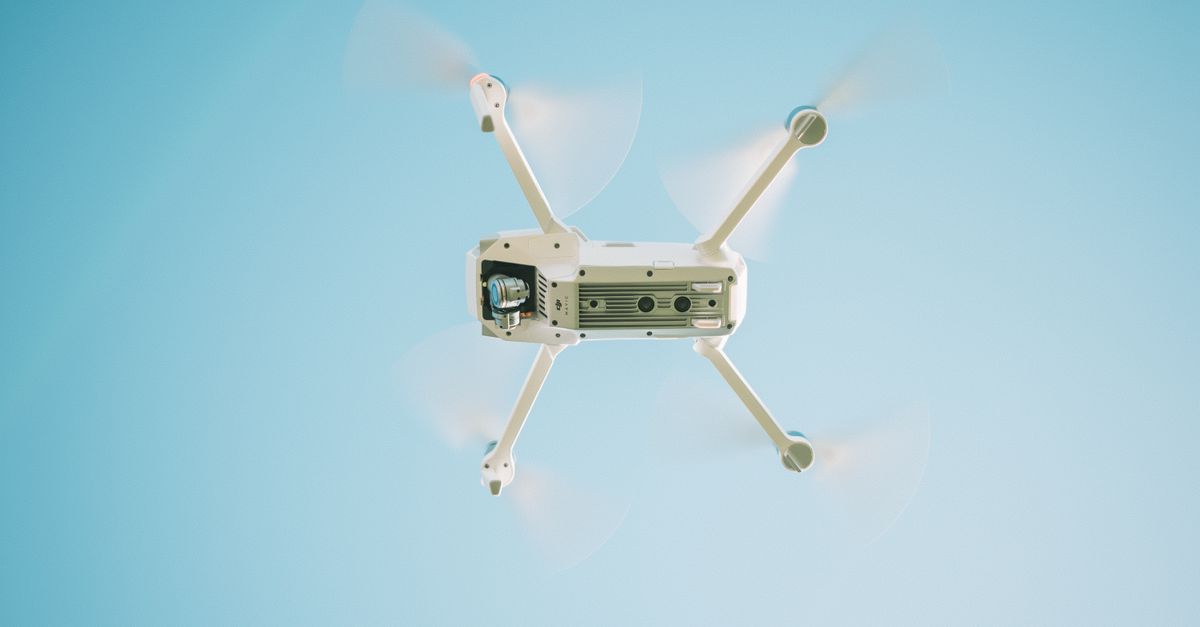
South Korea's defense establishment is pursuing an ambitious technological transformation that hinges on artificial intelligence and autonomous systems. The country has announced plans to train its entire military force of approximately 500,000 personnel to operate unmanned aerial vehicles with the proficiency typically reserved for conventional weapons training, marking a significant shift in how modern militaries might leverage AI-powered systems for combat operations.
According to Ars Technica AI, South Korea's Minister of National Defense Ahn Gyu-back outlined the initiative in a June 26 briefing, framing drones as essential "universal combat tools" that soldiers should master as readily as firearms. This framework reflects a broader recognition that autonomous and semi-autonomous systems will define 21st-century military capabilities, particularly for nations facing asymmetric threats.
Strategic Context and Inspiration
The announcement arrives as Seoul confronts persistent tensions with North Korea spanning seven decades. Beyond regional dynamics, South Korea's defense planners have drawn lessons from recent conflicts. The ongoing war in Ukraine and regional instability in the Middle East have demonstrated the tactical advantages of distributed drone networks and swarm-capable systems that operate with minimal human intervention.
This approach differs markedly from traditional military hierarchies centered on centralized command structures. By distributing drone operation capabilities across all personnel, South Korea is effectively creating a more resilient defense posture where AI-assisted decision-making and autonomous vehicle coordination become embedded at every tactical level.
Structural Reorganization and Technology Integration
The strategic overhaul extends beyond training initiatives. South Korea's existing drone operations command center will undergo reorganization to pivot toward collaborative relationships with commercial technology developers, emphasizing procurement and development of cutting-edge unmanned systems. This shift suggests recognition that private sector innovation in AI and robotics increasingly outpaces traditional military research timelines.
The military expansion includes deployment of counter-drone systems utilizing laser and microwave technologies, representing a layered defensive approach. These systems likely incorporate machine learning algorithms designed to identify, track, and neutralize hostile unmanned platforms autonomously or semi-autonomously.
Broader Implications for Military AI
- Democratization of drone operation across all military ranks creates redundancy and distributed decision-making capacity
- Integration of commercial AI development accelerates adoption of advanced autonomous capabilities
- Counter-drone technologies represent the emerging arms race between offensive and defensive autonomous systems
- Personnel training requirements signal how AI will reshape military professional development standards
This initiative underscores how nations are positioning artificial intelligence and autonomous systems as foundational to modern defense strategy. By embedding drone operation and AI interaction into basic military training, South Korea is essentially treating autonomous systems literacy as equivalent to firearm proficiency, a meaningful indicator of how thoroughly AI has infiltrated contemporary military thinking.
The approach also hints at potential challenges: coordinating massive numbers of AI-assisted decisions across dispersed units, maintaining cybersecurity against adversaries targeting autonomous systems, and navigating ethical questions about autonomous weapons deployment. Yet South Korea's commitment reflects confidence that these technical and policy hurdles are surmountable within acceptable timelines.