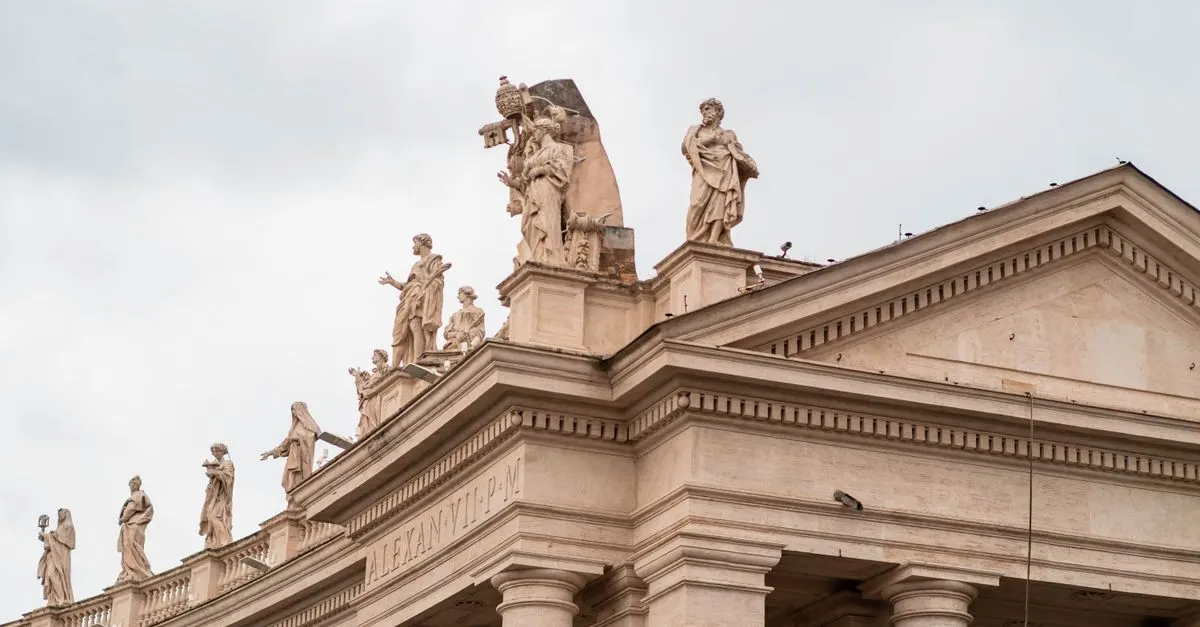
In a striking moment of institutional overlap, the Vatican recently hosted Anthropic at the unveiling of a significant papal document focused on artificial intelligence and its ethical implications. The appearance underscored how religious institutions are increasingly engaging with technology companies to shape conversations around the responsible development of AI systems.
The inclusion of Anthropic, a leading AI safety-focused startup founded by former OpenAI researchers, signals the Church's interest in bridging discussions between moral philosophy and computational science. According to Wired AI, the presentation of Pope Leo's inaugural encyclical on artificial intelligence represents an unprecedented alignment between the Catholic hierarchy and the technology sector.
A New Era of Religious and Tech Dialogue
The Vatican's decision to feature Anthropic reflects broader shifts in how established institutions approach emerging technologies. Rather than issuing pronouncements from isolation, the Church is now seeking input from companies actively building AI systems. This collaborative approach suggests recognition that ethical frameworks cannot be imposed externally but must involve those developing the technology itself.
The encyclical positions artificial intelligence as a subject worthy of papal attention. Where previous religious documents have addressed technology broadly, this statement represents a focused examination of AI's implications for human dignity, labor, and society.
Key Implications
- Legitimizes AI safety discussions within religious contexts, potentially reaching audiences skeptical of Silicon Valley rhetoric
- Suggests the Vatican views Anthropic's safety-focused positioning as aligned with Catholic social teaching
- May influence how other faith communities engage with technology companies on ethical matters
- Could pressure other AI firms to formalize their ethical positions and governance structures
The Broader Context
Anthropic has positioned itself as distinct from other AI developers through its emphasis on safety research and constitutional AI approaches. The company's leadership, including co-founder Christopher Olah, has prioritized transparency about AI risks and limitations. These commitments appear to have resonated with Vatican officials evaluating which technology leaders to engage with on matters of conscience.
The Vatican's invitation signals that religious institutions recognize AI development as too consequential to ignore or critique from the sidelines. Direct engagement offers opportunities to shape how these systems are built and deployed.
The encyclical presentation illustrates how technology governance is becoming a shared responsibility spanning secular and religious domains. As AI systems increasingly influence human decisions around healthcare, education, and criminal justice, moral authority structures like the Vatican are asserting roles in establishing ethical guardrails.
This convergence may establish a template for future dialogue. Other faith organizations might follow suit, creating new channels for ethical scrutiny of AI development. Meanwhile, technology companies demonstrating commitment to safety and transparency may find themselves increasingly sought after by institutions seeking credible voices on responsible innovation.
The Vatican's move suggests a recognition that technological development and moral reasoning need not operate in separate spheres. Whether this moment represents a sustained partnership or a symbolic gesture remains to be seen, but the optics alone signal shifting dynamics in how power, morality, and innovation intersect in contemporary society.


