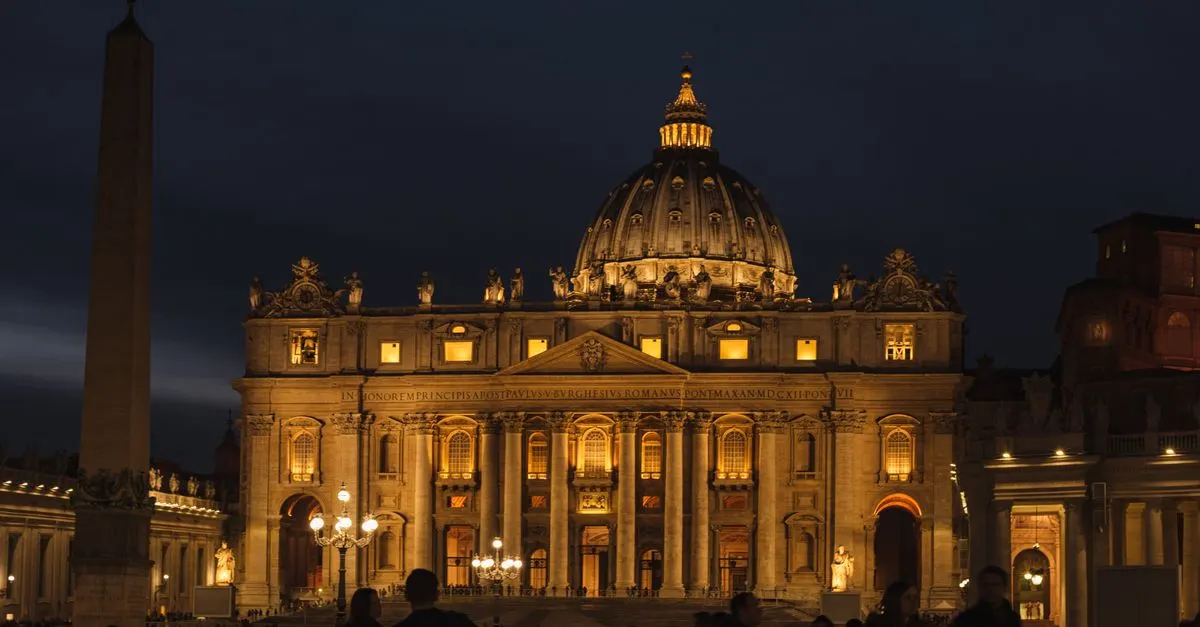
The Vatican has issued a formal statement expressing concern about the consolidation of artificial intelligence capabilities among a small number of global technology firms. According to Wired AI, Pope Leo XIV's first encyclical, titled "Magnifica Humanitas," dedicates significant passages to scrutinizing how power over advanced computational systems has accumulated in the hands of a restricted set of multinational corporations.
A Religious Institution Enters the AI Governance Debate
The encyclical represents a notable intervention by the Catholic Church into contemporary discussions surrounding technological oversight and corporate influence. Rather than focusing exclusively on theological matters, the document directly addresses what Church leadership perceives as an imbalance in who controls and shapes artificial intelligence systems that increasingly influence global commerce, communication, and decision-making processes.
The Pope's concerns reflect broader anxieties shared by policymakers, researchers, and civil society advocates worldwide. As AI development requires substantial capital investment and specialized technical expertise, a handful of well-resourced companies have achieved outsized influence over which systems get built, how they function, and whose interests they serve.
Key Points From the Encyclical
- Concentration of AI development among a limited number of corporations threatens democratic participation in technological governance
- The Church calls for more distributed models of innovation and oversight
- Questions about equitable access to AI benefits and protections against potential harms
- Emphasis on preserving human dignity as technological systems become more sophisticated
Implications for Tech Industry Regulation
The encyclical's timing coincides with intensifying regulatory scrutiny of AI companies across multiple jurisdictions. European policymakers have enacted the AI Act, designed to establish baseline safety standards. Meanwhile, American legislators and international bodies continue debating appropriate frameworks for oversight and accountability.
By lending the Vatican's institutional authority to warnings about market concentration, the Pope adds a significant voice to advocacy efforts pushing for structural changes in how AI development occurs. Religious institutions often shape public opinion on moral and ethical questions, meaning this intervention could influence legislative priorities and consumer expectations.
"The document directly addresses how power over advanced systems has accumulated in restricted hands," reflecting concerns about corporate dominance in a critical technological domain.
Looking Forward
Whether the encyclical will meaningfully shape policy remains uncertain. Historically, papal statements on social and economic matters have generated attention and influenced Catholic voters and politicians, though secular governments operate under different decision-making frameworks.
The Church's entry into AI governance conversations signals that these debates have transcended technical and business circles to reach broader institutions concerned with fundamental questions about power, equity, and human flourishing. As artificial intelligence continues reshaping society, expect additional perspectives from religious, governmental, and academic institutions to compete for influence over how these systems develop and operate.


