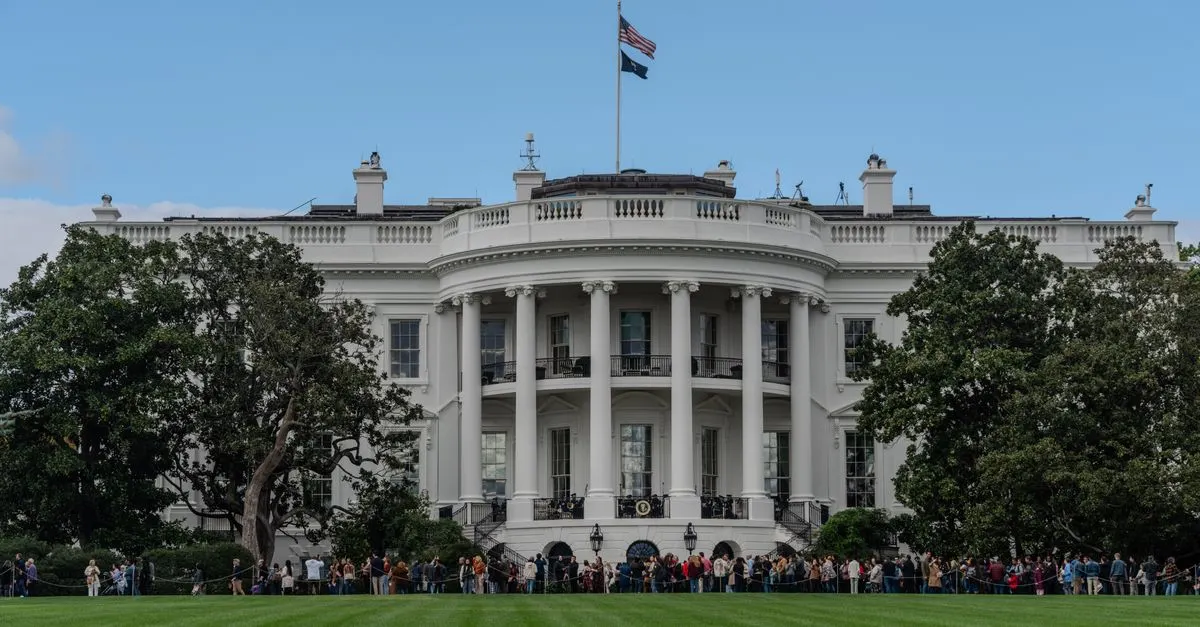
Sriram Krishnan is exiting his position as the White House's senior advisor for artificial intelligence, marking a significant shift in the federal government's approach to AI policy oversight. According to TechCrunch AI, Krishnan is moving forward with plans to establish a new institution dedicated to influencing the Trump administration's artificial intelligence strategy from outside the executive branch.
Krishnan's departure represents the latest transition in the administration's AI governance structure. During his tenure in the role, he focused on aligning federal artificial intelligence initiatives with broader economic and national security priorities. His exit comes as the White House continues to refine its approach to regulating and advancing AI technology development across the private and public sectors.
Building Influence Beyond Government Walls
The newly announced institution signals Krishnan's intent to maintain substantial influence over artificial intelligence policy despite leaving his formal government post. This model of external advisory work has become increasingly common among policy professionals who wish to maintain engagement with administration priorities while operating with greater independence.
The move reflects broader tensions in how the federal government structures its relationship with technology experts. By establishing an independent organization, Krishnan positions himself to advocate for specific AI policy approaches without the constraints of formal government employment, while potentially wielding considerable influence through close coordination with administration officials.
Ongoing Priorities in AI Governance
Key areas likely to remain central to Krishnan's work include:
- Balancing innovation incentives with appropriate safety and security safeguards
- Addressing concerns about artificial intelligence's impact on workforce displacement and economic competitiveness
- Coordinating with international partners on artificial intelligence standards and norms
- Ensuring federal agencies adopt AI technologies responsibly
- Supporting domestic artificial intelligence research and development capabilities
Krishnan's background in technology and policy has positioned him as a key bridge between Silicon Valley interests and government decision-making. His work has touched on questions about large language models, algorithmic transparency, and the competitive landscape between American and international AI capabilities.
Timing and Implications
The timing of Krishnan's departure underscores the evolving nature of technology policy in the current administration. Rather than signaling a retreat from artificial intelligence priorities, his move suggests a strategic recalibration where policy influence operates through multiple channels, including formal government positions and independent research institutions.
The establishment of a new policy organization allows Krishnan to potentially convene industry leaders, academic researchers, and government officials around artificial intelligence governance questions. This approach mirrors how other policy entrepreneurs have structured their work on emerging technologies, creating platforms for shaping consensus around technological development priorities.
As the artificial intelligence landscape continues its rapid evolution, the question of how policy makers and industry experts should coordinate remains unsettled. Krishnan's new venture represents one model for maintaining that relationship while preserving the analytical independence that external institutions can provide.


