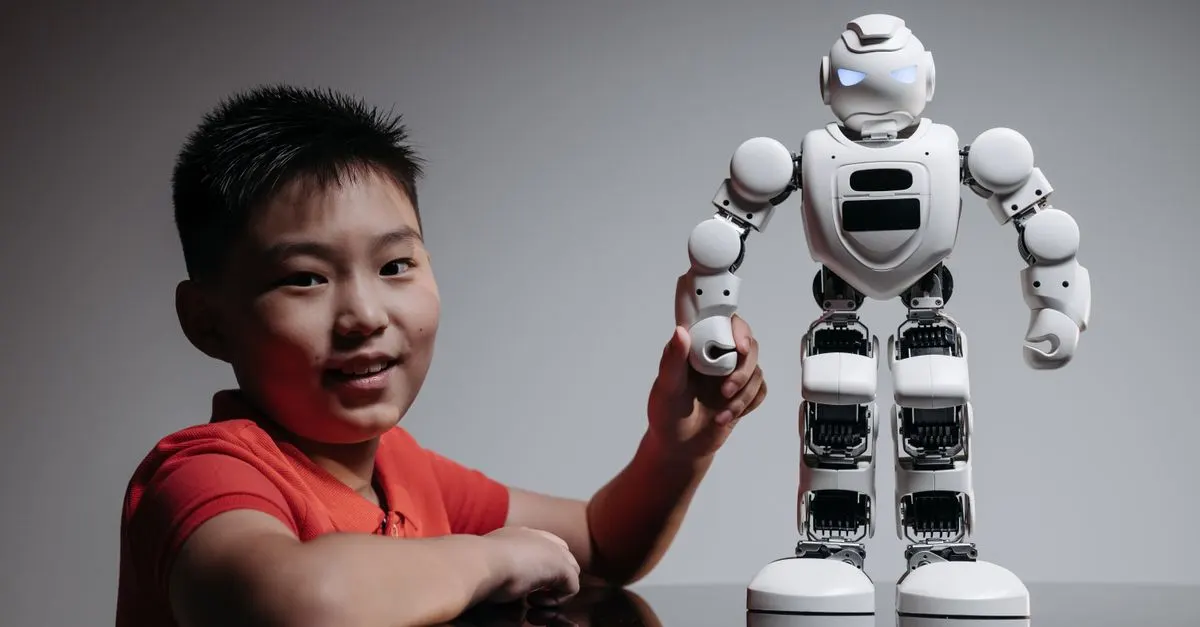
The internet's latest obsession with humanoid robots performing backflips, folding laundry, and executing complex movements masks a critical reality: most of these machines remain far from the general-purpose assistants their creators suggest they could become. While manufacturers routinely circulate polished videos showcasing their latest prototypes handling impressive feats, the path from choreographed demonstration to reliable, everyday functionality remains largely unexplored.
According to Ars Technica AI, the challenge isn't purely technical. The human brain's tendency to project human qualities onto bipedal machines creates a particular credibility problem. When audiences see a robot with two arms and a torso execute a dance sequence, they naturally assume it possesses the broader physical and cognitive abilities of a human dancer. This cognitive bias differs markedly from how people perceive robotic arms or wheeled systems performing identical movements.
"People automatically extrapolate and assume that the robot that looks like a person can do all the things that a person who can dance could do, which is not true," Jonathan Hurst, cofounder of Agility Robotics and a robotics researcher at Oregon State University, explained in an interview. He noted that entrepreneurs have leveraged this phenomenon strategically to attract investor capital and public attention.
The Demo-to-Deployment Problem
The fundamental issue haunting the humanoid robot sector involves translating controlled laboratory demonstrations into consistent, real-world performance. A robot successfully executing a specific household task in a controlled environment tells observers little about its capacity to handle variations, unexpected obstacles, or the minor physical inconsistencies that characterize human homes and workplaces.
This gap between showcase and substance creates significant challenges for the industry:
- Controlled demonstrations often feature carefully prepared environments optimized for specific robot capabilities
- Real-world deployment requires handling unpredictable situations and novel obstacles
- Reproducibility remains undocumented in many viral demonstrations
- Investor expectations frequently exceed current technological maturity
The Marketing Amplification Effect
The proliferation of humanoid robot videos across social media channels has created powerful incentives for companies to prioritize visual impact over empirical validation. A bipedal robot executing a gymnastics routine generates millions of impressions and shapes public perception, while technical papers documenting failure modes and reliability metrics reach only specialized audiences.
"A lot of the startup companies do kind of prey on that for being able to raise a lot of money," Hurst observed, pointing to the disconnect between marketing narratives and engineering reality.
This dynamic raises questions about transparency and accountability within the sector. As humanoid robotics attracts increasing venture capital investment and public attention, the burden falls on researchers and industry observers to articulate the substantial distance between eye-catching demonstrations and functional, deployable systems.
The robotics community must balance enthusiasm for emerging capabilities with honest assessment of current limitations. Only by clearly distinguishing between what robots can reliably perform today versus aspirational visions of future capability can investors, policymakers, and the public make informed decisions about this transformative technology.


