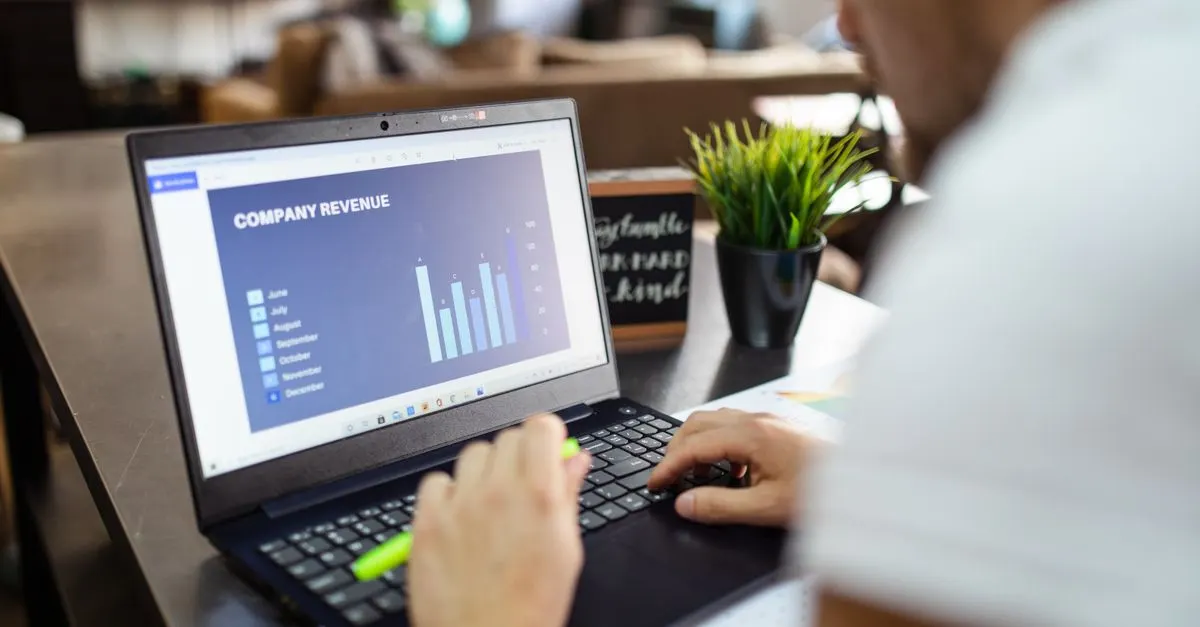
Anthropic's Revenue Surge Tests IPO Confidence in AI Economics
The AI startup's $47 billion annualized run rate masks persistent questions about profitability and return on investment ahead of its public debut.
Funding rounds, valuations, M&A, earnings, and the economics of building and selling AI. The money flowing through the AI economy.
The AI startup's $47 billion annualized run rate masks persistent questions about profitability and return on investment ahead of its public debut.

Google parent signals massive investment push as enterprise demand for AI services outpaces current capacity.

Major PC makers prepare to deploy autonomous AI agents on consumer hardware, potentially reshaping how users interact with their devices.

Despite solid funding gains, Massachusetts startups are being outpaced by unprecedented capital flowing to generative AI companies on the West Coast.

The legendary environmental litigator is pushing back against the opacity surrounding massive computing facilities powering artificial intelligence.

Industry insiders question whether startup founders and executives suffer from distorted thinking about artificial intelligence's capabilities and risks.

A new wave of alternative browsers is gaining traction in 2026, offering users privacy-focused and performance-driven options to Google and Apple's market leaders.

The social media giant expands its hardware ambitions beyond glasses, signaling a broader strategy to embed AI into everyday personal devices.

Japanese conglomerate plans massive infrastructure investment to meet surging AI compute demand across Europe.

The tech giant's new AI assistant handles email management and event discovery, but its product strategy remains puzzling.

Microsoft's move to token-based billing for its AI coding assistant has sparked widespread criticism over cost and value.
While AI coding assistants accelerate output, researchers question whether speed gains come at the expense of maintainable, robust software.
The company has tripled annual revenue by positioning itself as a cost-conscious alternative to large language model deployments.

Corporate buyers have moved past evaluating AI's potential and are now prioritizing deployment security and risk management.

Public statements about xAI's compute arrangement clash with regulatory documents, raising questions about the partnership's true scope.

Recursive self-improvement has replaced AGI as the defining challenge for AI research, but defining success remains as nebulous as ever.

Leaked interface designs show Cupertino preparing a standalone conversational AI assistant for iOS 27, signaling serious ambitions to challenge ChatGPT.

Luxury device maker enters competitive AI hardware market with executive-focused foldable starting at $6,880, built on open-source Hermes foundation.